




SALALAH: Wadi Darbat may be Dhofar's most photographed natural attraction, but the story of its waters begins far beyond the viewpoints visited by most travellers.
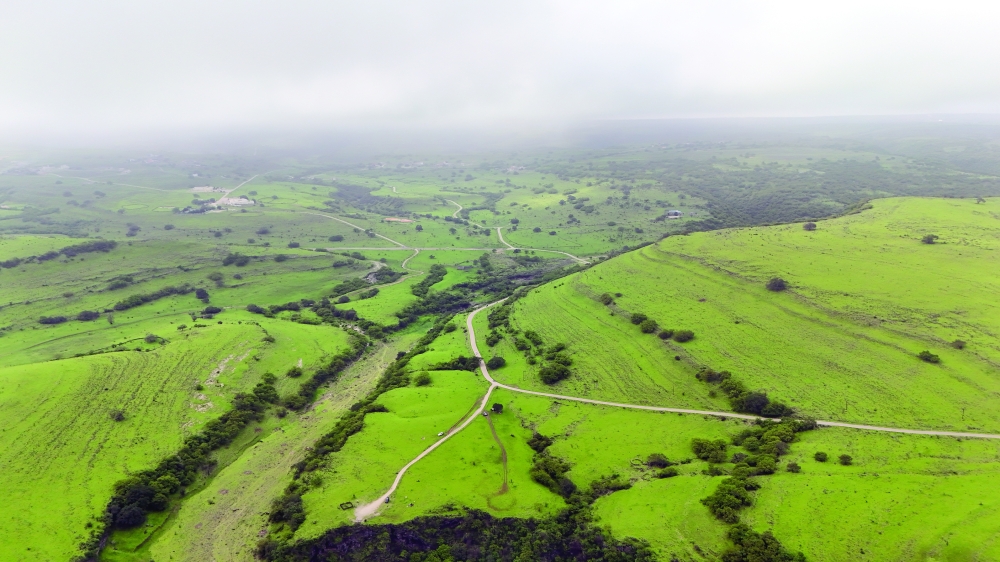
High in the mountains overlooking Taqah, Wadi Ghaydah winds through a rugged and largely untouched landscape that offers a glimpse into the natural processes shaping one of the governorate's best-known destinations. From the upper slopes, the familiar valley of Wadi Darbat lies in the distance, while dramatic escarpments, narrow channels and scattered native trees reveal the terrain through which seasonal rainfall makes its journey.
Unlike Darbat, Wadi Ghaydah has no dramatic waterfall or popular viewing platform. Its appeal lies instead in the landscape itself — a living system where geology, water and vegetation work together over time.
During the Khareef, rain and mist settle across the mountain plateau before gradually flowing through natural channels and rocky depressions that eventually feed the wider Wadi Darbat watershed. Much of this process remains hidden from visitors, unfolding quietly beyond the roads and tourist lookouts.
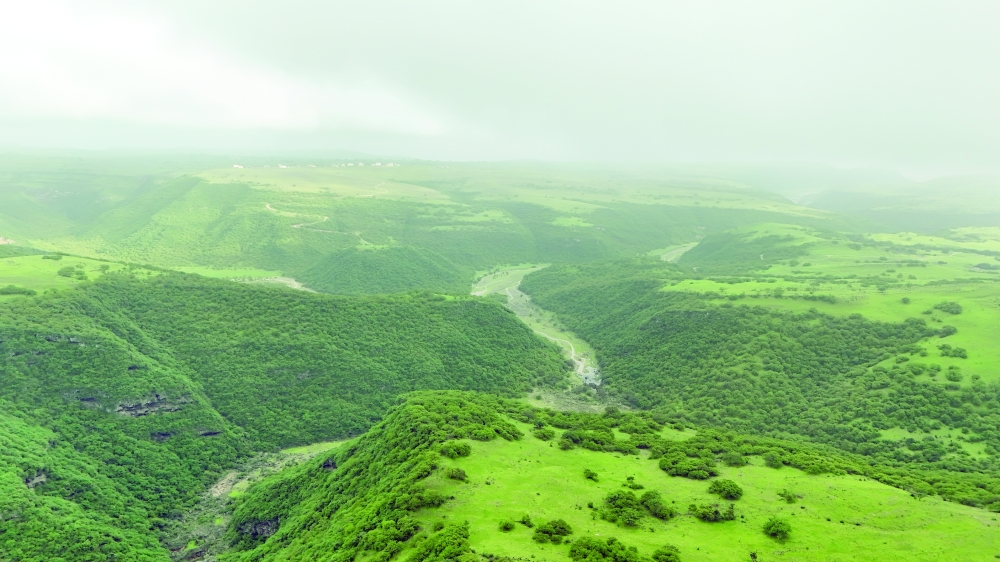
That makes Wadi Ghaydah significant for reasons that extend beyond scenery alone.
Its importance lies in the delicate relationship between rock formations, seasonal watercourses, native vegetation and the communities that have lived alongside this environment for generations.
Reaching the wadi is not easy. The route is unpaved, and sections have been eroded by heavy rainfall and past weather systems. Even four-wheel-drive vehicles face challenges where runoff has cut deep channels into the track, prompting many local residents to continue their journey on foot.
As the descent continues, the landscape changes gradually. Dense trees provide shade, rocky cliffs narrow the pathway, and caves emerge along the mountainsides. Local residents say some of these caves once served as shelters for families and livestock during periods of severe weather.
The rugged terrain also supports one of the area's traditional livelihoods.
Beekeepers in Taqah value Wadi Ghaydah because wild bees establish colonies within natural cracks and cavities in the surrounding cliffs. Seasonal flowering plants provide a reliable source of nectar, contributing to the production of the region's highly prized honey.
These quieter aspects of life are rarely reflected in the public image of Taqah.
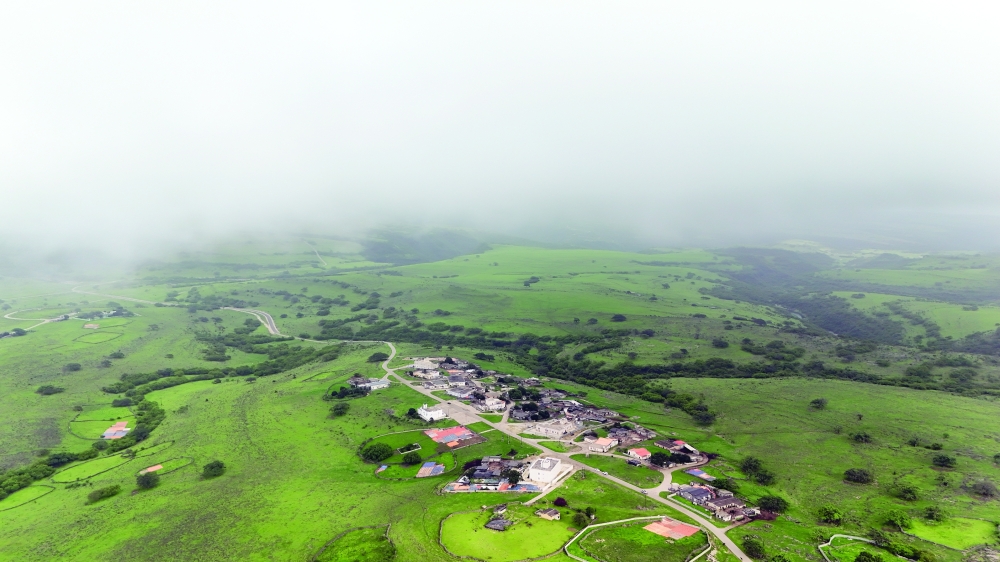
For most visitors, the wilayat is defined by Wadi Darbat, Taqah Castle, the coastline and a handful of scenic viewpoints. Yet the mountains beyond have long shaped local life, providing water, grazing land and seasonal resources that continue to support surrounding communities.
Wadi Ghaydah forms an essential part of that wider landscape.
After the Khareef draws to a close and the mist begins to lift, the valley reveals another side of its beauty. Fresh vegetation remains, wildflowers begin to bloom, and the contours of the mountains become more clearly defined. Although visitor numbers decline, nature continues its seasonal cycle.
The area remains largely undeveloped, with no marked hiking trails, visitor centres or formal viewing platforms. While this preserves its pristine character, it also highlights the need for careful planning should tourism expand into the area.
Opening such fragile landscapes without proper management could place pressure on sensitive ecosystems and expose inexperienced visitors to difficult terrain. At the same time, overlooking places like Wadi Ghaydah risks leaving an important chapter of Dhofar's environmental and cultural heritage untold.
The true value of Wadi Ghaydah is not that it should become another crowded tourist destination.
Its importance lies in helping visitors understand the landscape behind the landscape — the hidden valleys, mountain catchments and traditional knowledge that make Wadi Darbat possible.
Long before the water reaches Darbat, it begins its quiet journey through places like Wadi Ghaydah — high in the mountains, largely unseen, yet essential to one of Dhofar's greatest natural treasures.
Oman Observer is now on the WhatsApp channel. Click here